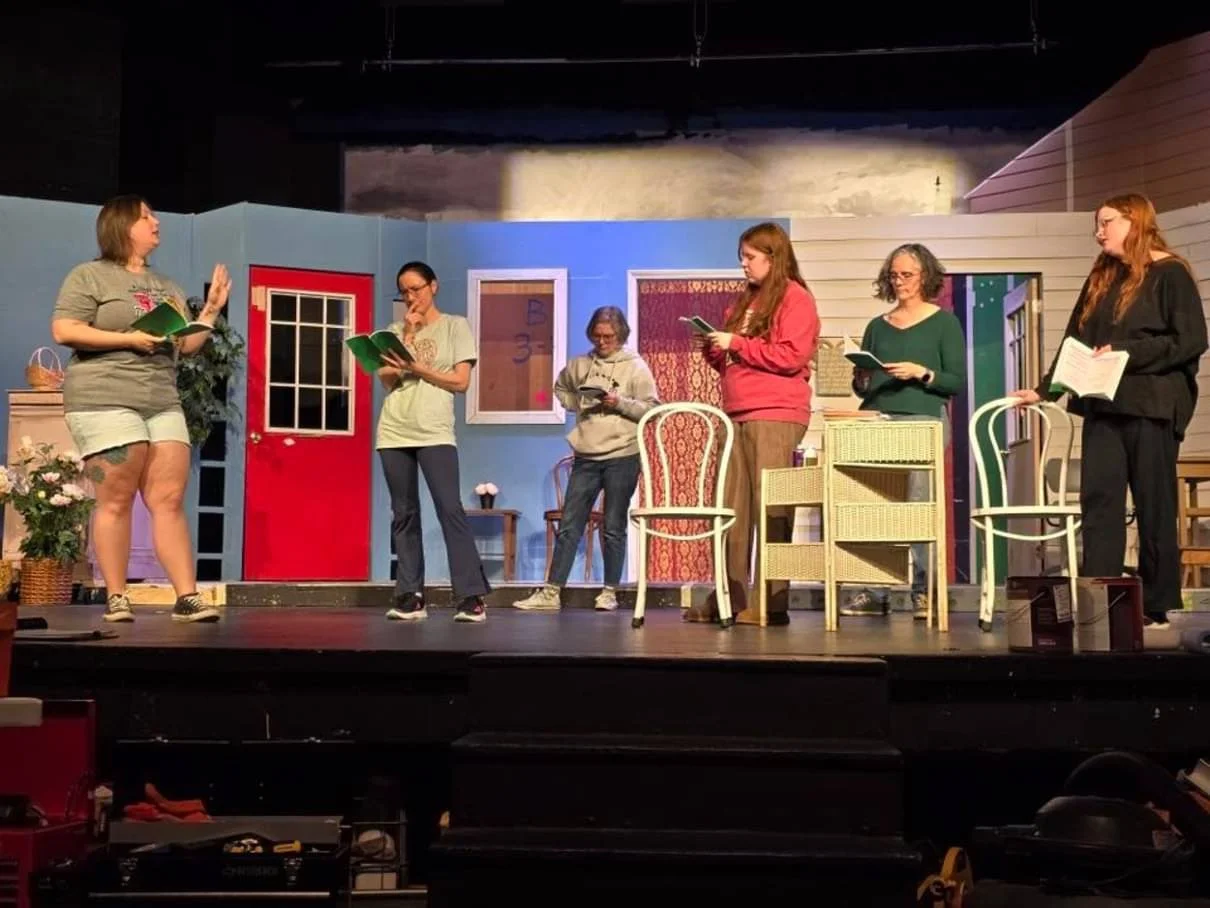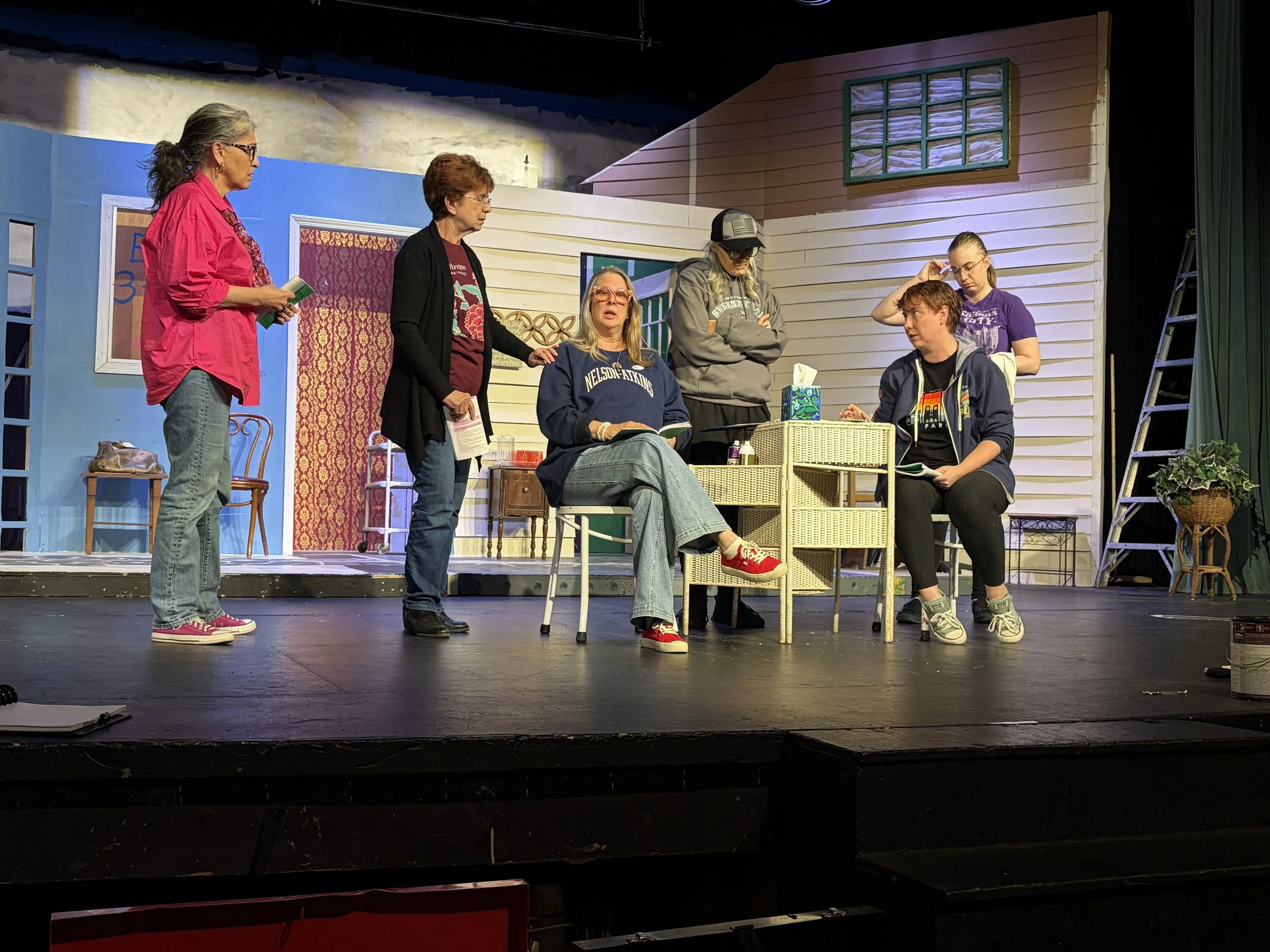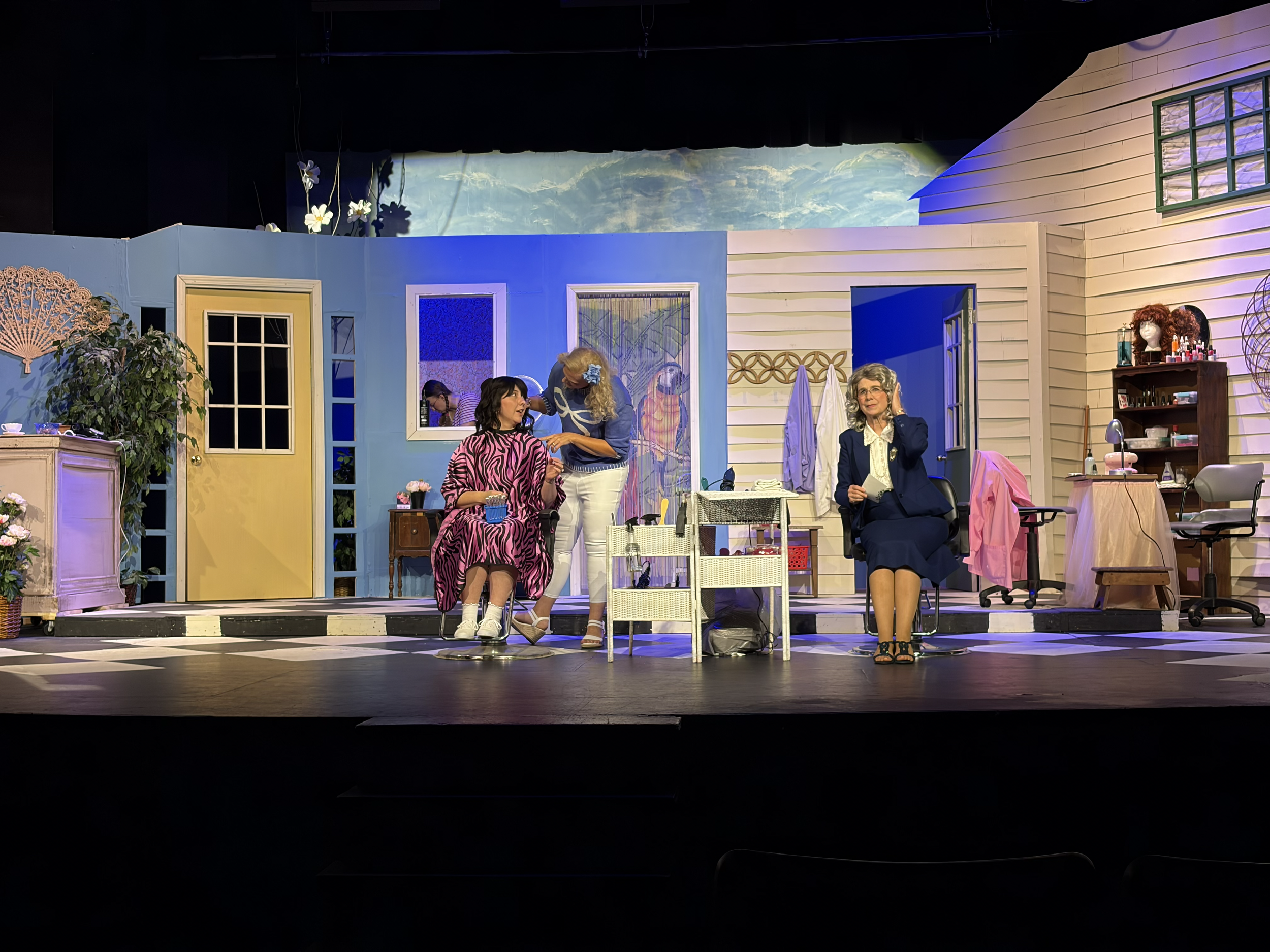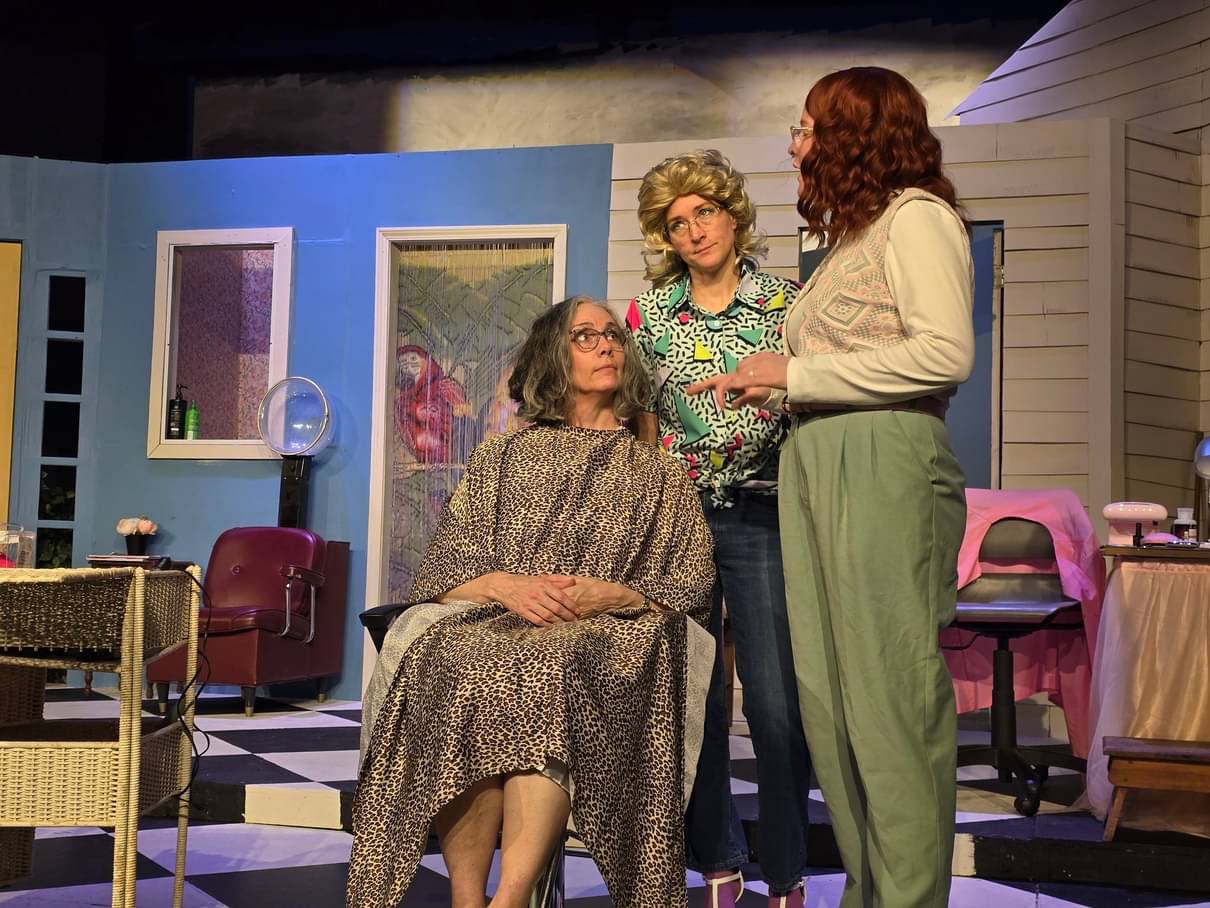
To read more about RCCP, check out their Facebook page: https://www.facebook.com/LeavKSCommTheater/
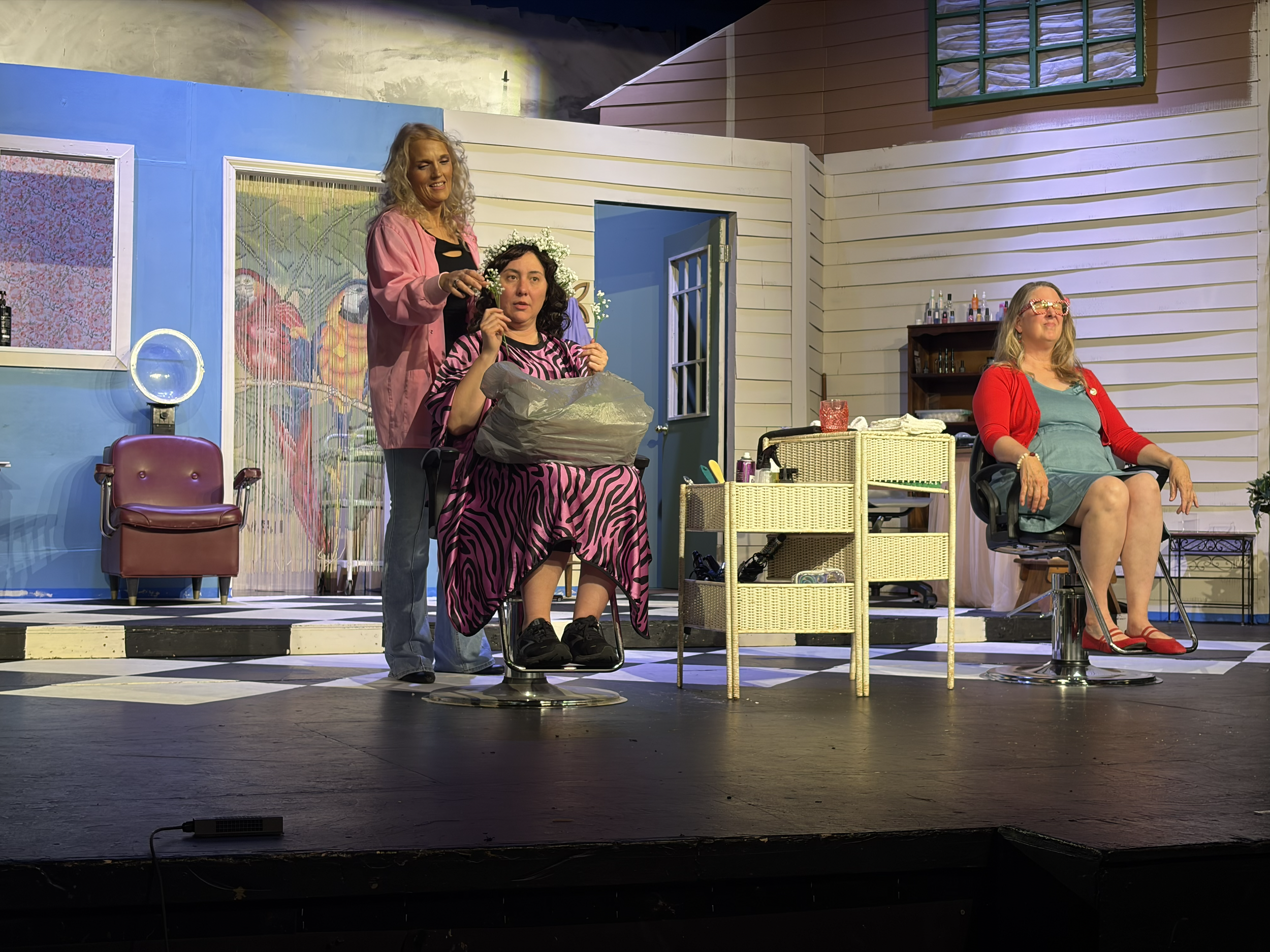
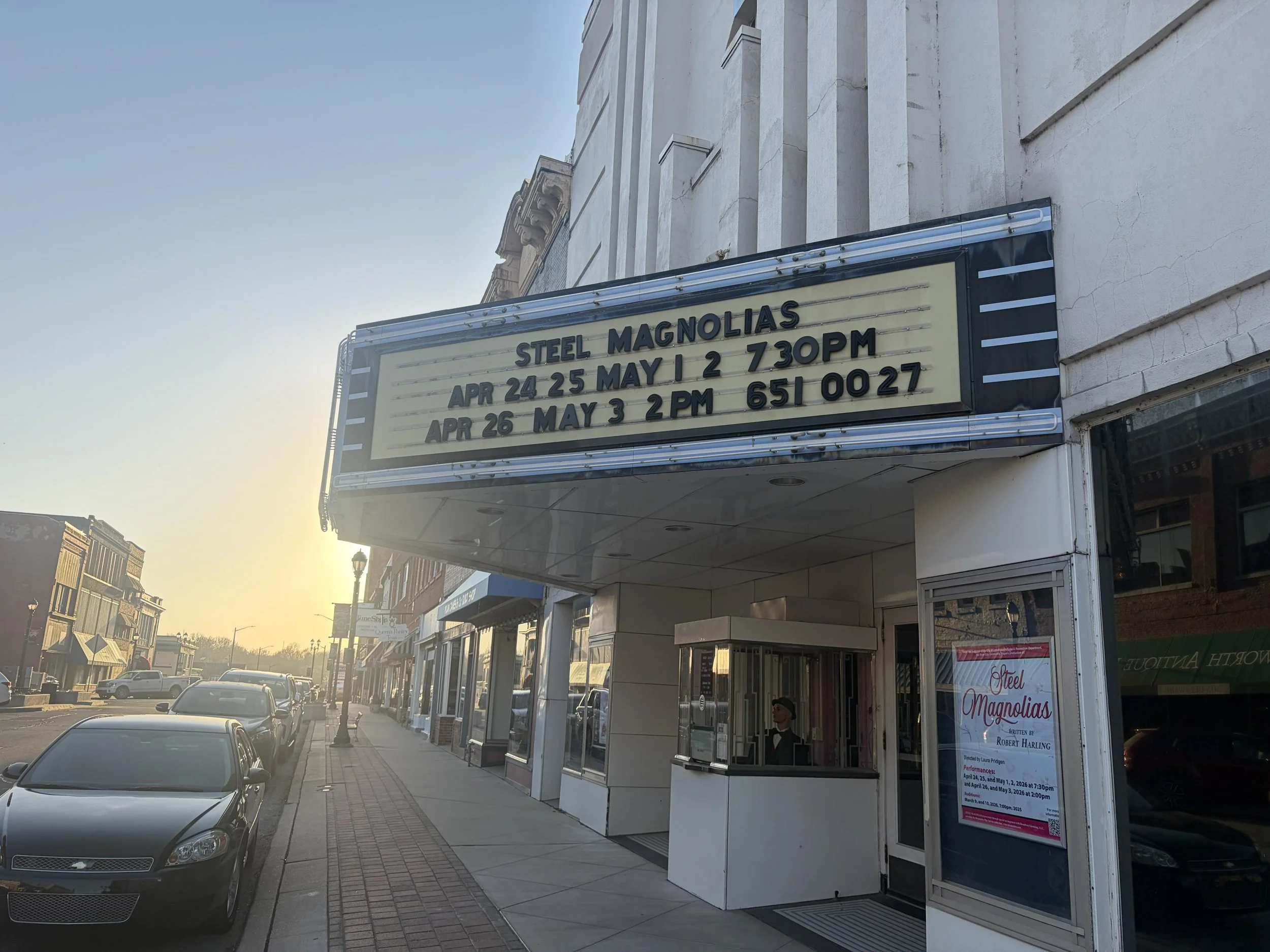
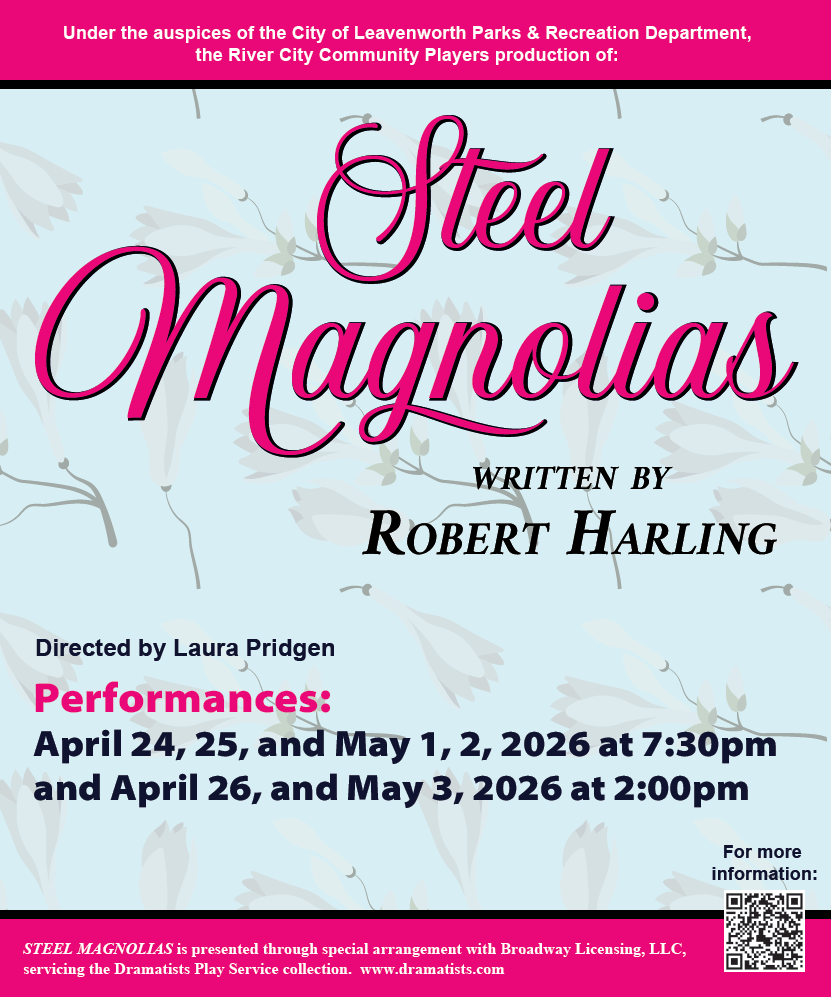
Steel Magnolias
By Robert Harling
Produced by Marianne Tennant
River City Community Players
Director - Laura Pridgen
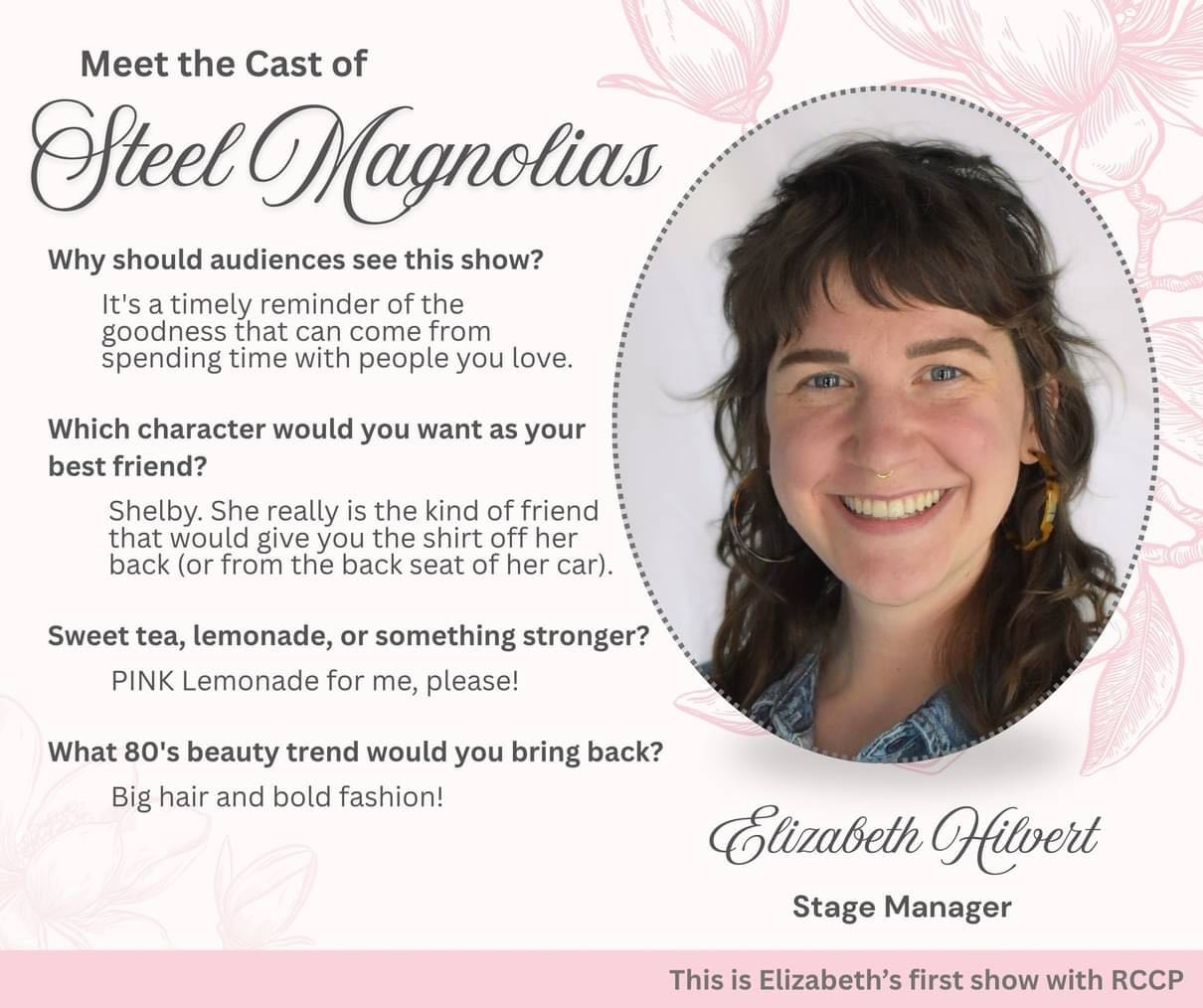
Stage Manager - Elizabeth Hilvert
Assistant Director - Stephanie Douglass
Technical Director - Ron Mazzia
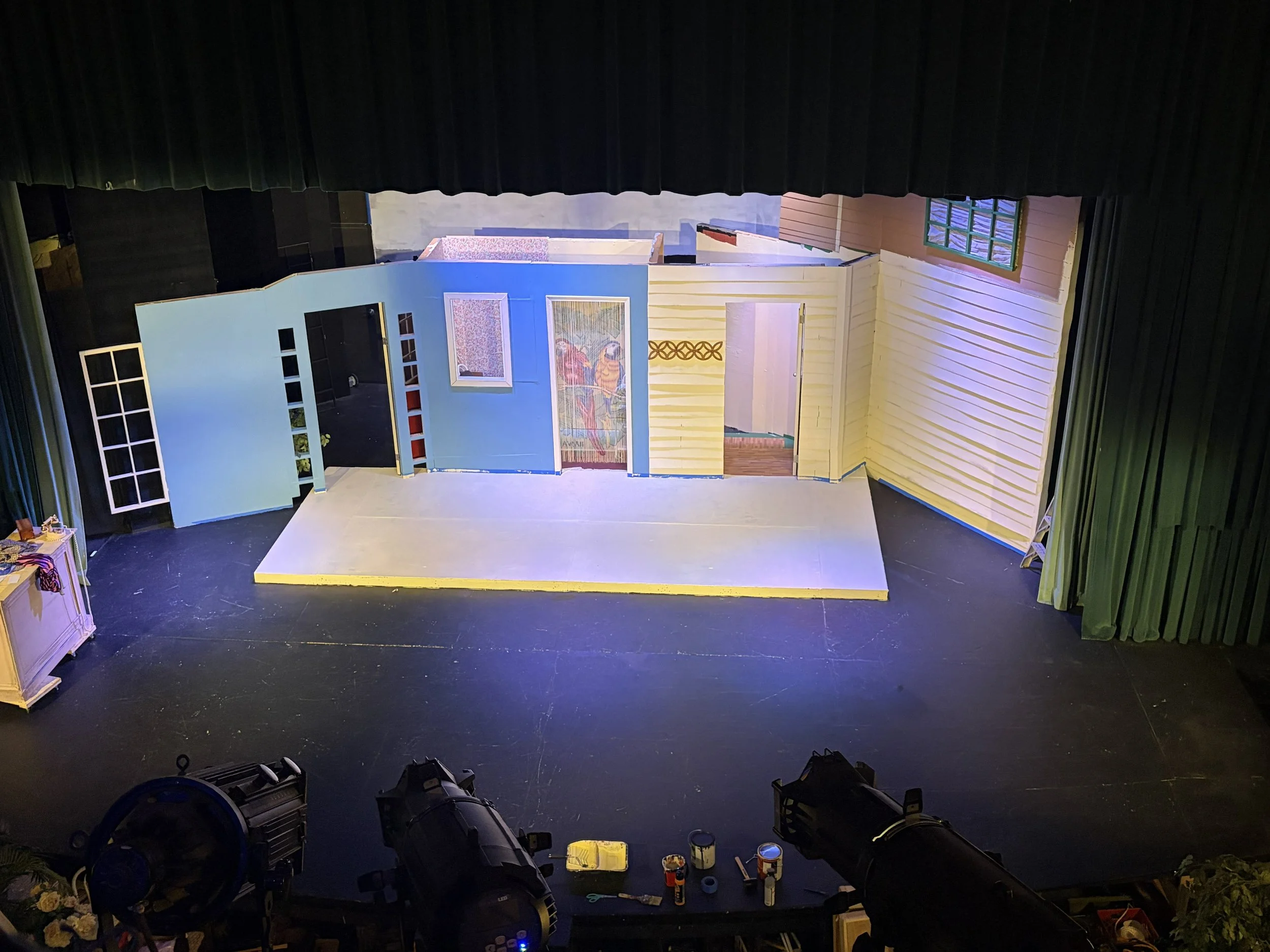
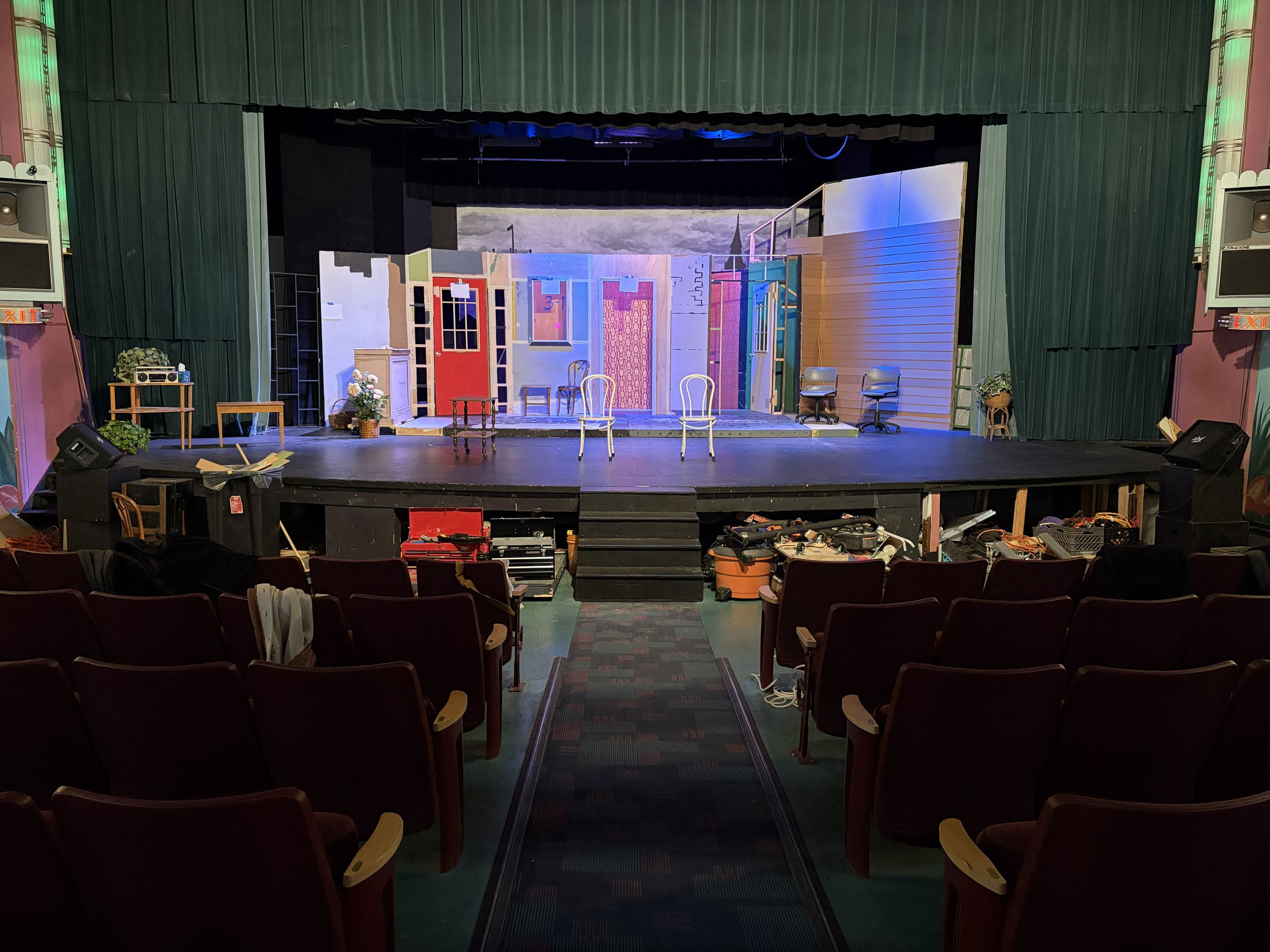
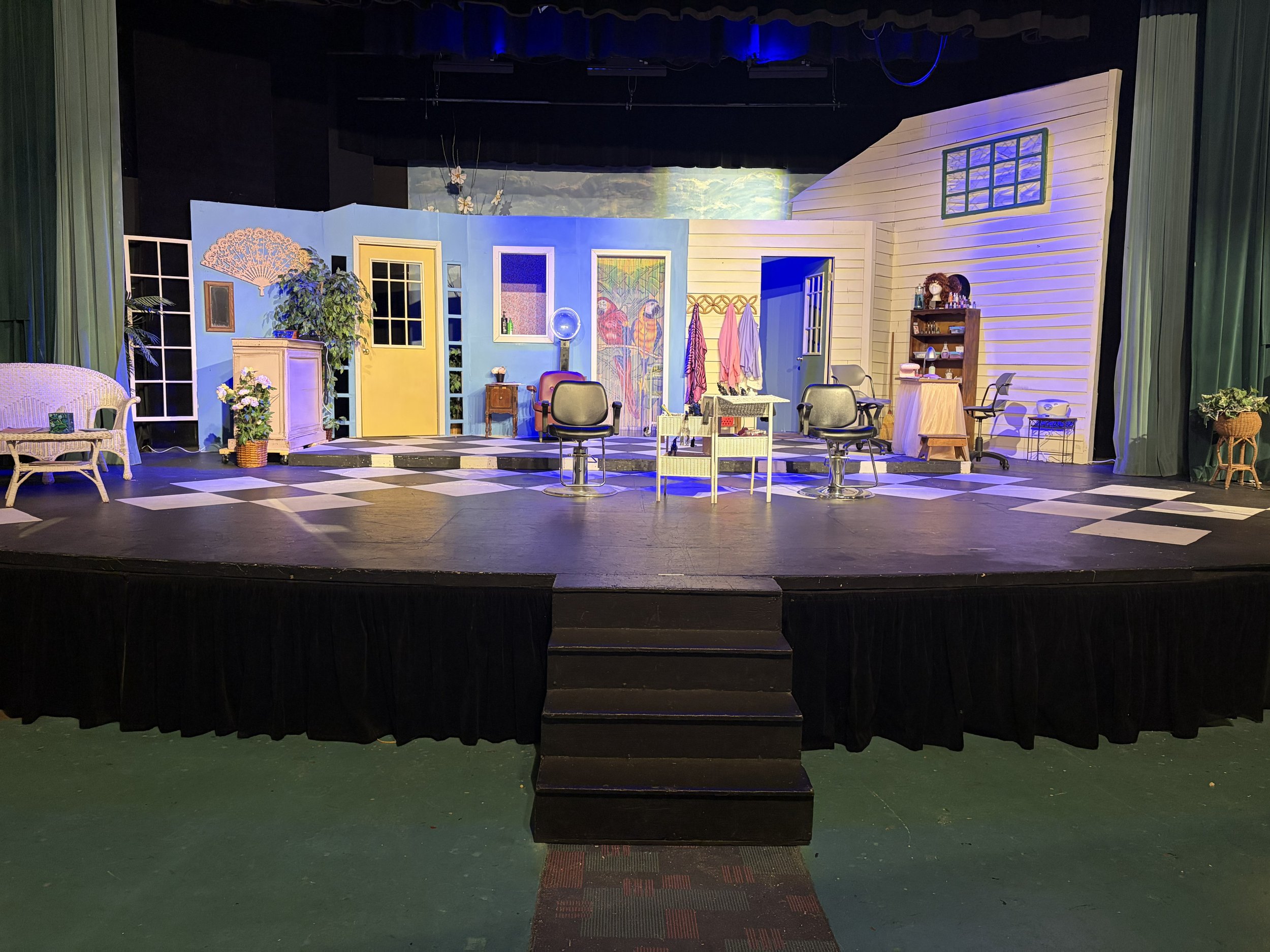
Set and Lighting Design and Execution - Stephanie Douglas, Ron Mazzia, and Laura Pridgen
Costume Design - Nancy Mazzia
Sound Design - Laura Pridgen
Makeup Design - Gracie Haddan
Makeup Assistant - Britt Field-Mayer
Cast:
Amy Bell - Truvy Jones
Emily Gael McBride - Annelle Dupuy-Desoto
Mary Jane Norman - Clairee Belcher
Kelly Hanson - Ouiser Boudreaux
Breanna Danielle - Shelby Eatenton-Latcherie
Ann M. Raab - M'Lynn Eatenton
Shawn Tunik - Radio DJ (Voiceover)
Understudies:
Britt Field-Mayer - Truvy Jones
Siena Allison - Annelle Dupuy-Desoto
Ramona Discavage - Clairee Belcher
Nancy Mazzia - Ouiser Boudreaux
Gracie Haddan - Shelby Eatenton-Latcherie
Amanda Jacobs - M'Lynn Eatenton
As Stage Manager, I was responsible for:
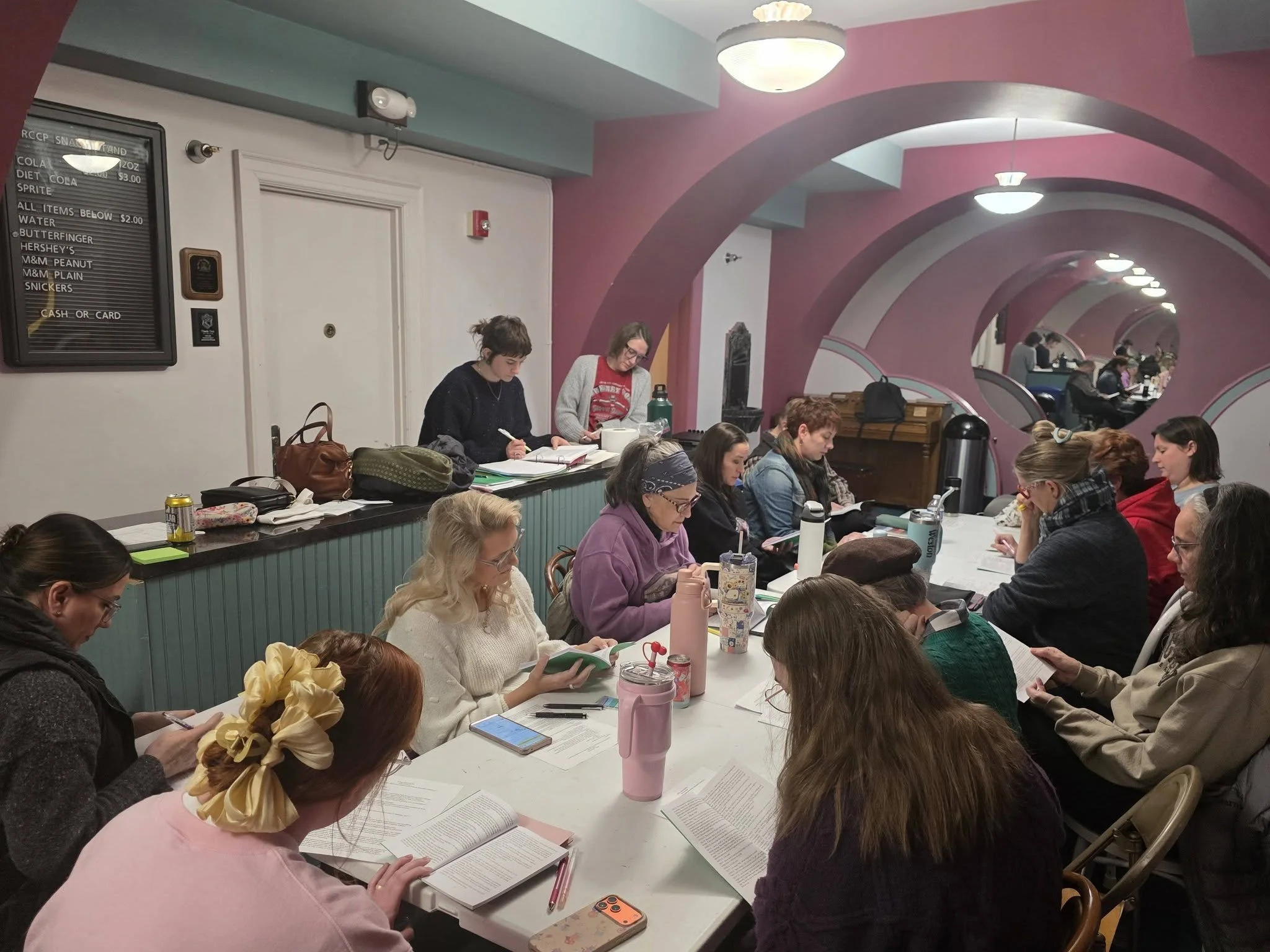
Setting up and running rehearsals and technical rehearsals including calling breaks and holds.
Recording blocking notes and other notes from the director to the designers, crew, and actors.
Retrieving and tracking props used throughout the play.
Attending production meetings.
Shifting set pieces and props during scene changes for rehearsals and assisting the stagehand with scene changes during performances.
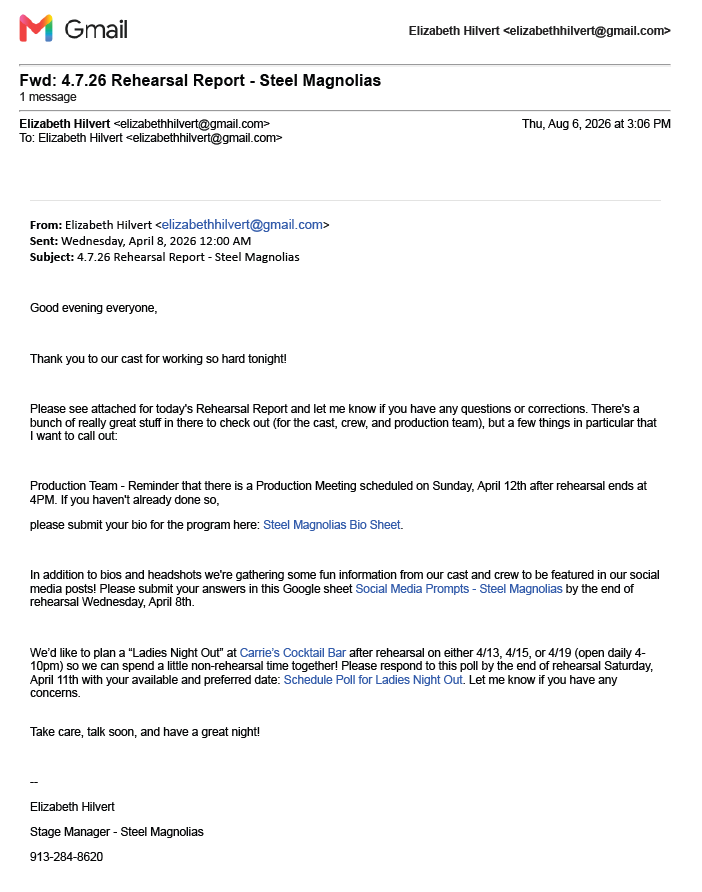
Creating rehearsal and performance reports and distributing those to all actors, designers, and production staff.
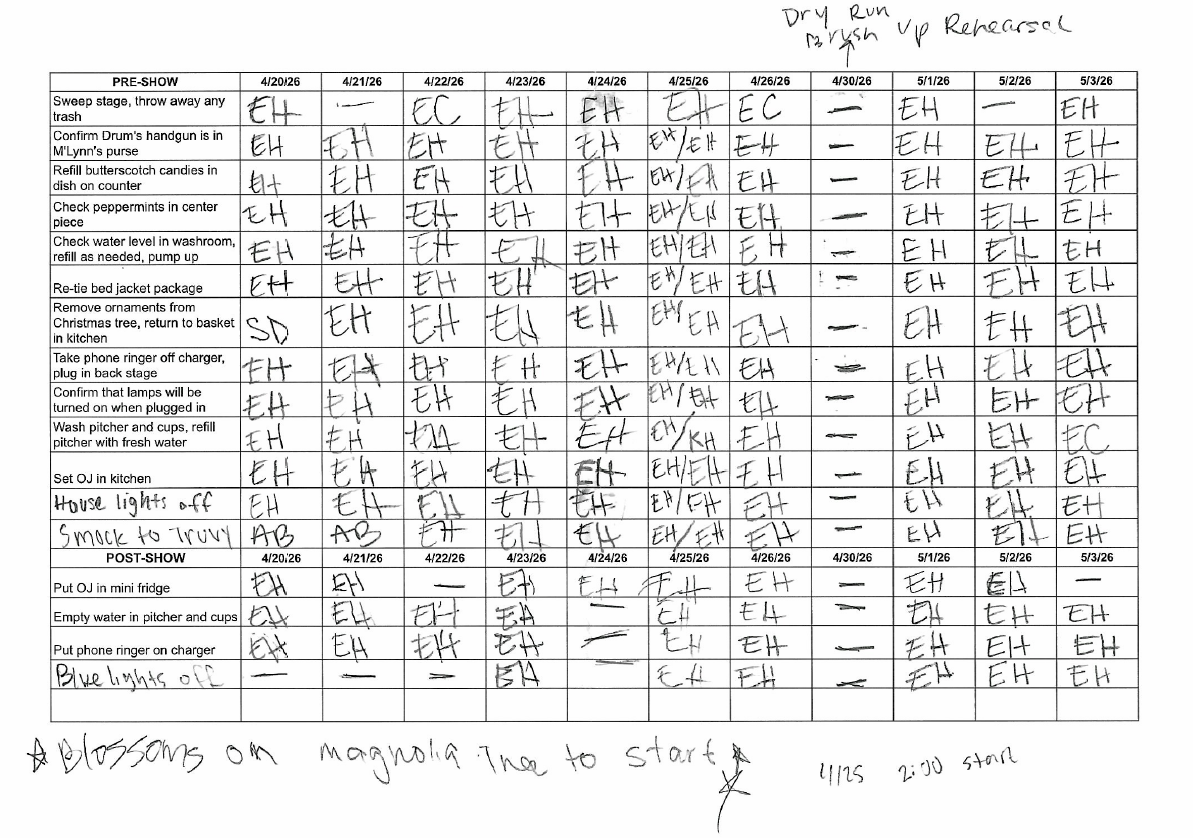
Maintaining clean and safe working conditions onstage and backstage, reporting any issues and ensuring they were resolved.
Ensuring all actors and crew were ready for top of show and in the wings in time for their entrances.
Creating a prompt script and calling sound, light, and actor cues during performances.
Organizing and delegating strike tasks after the final performance.
Professional Growth & Lessons Learned:
Serving as Stage Manager strengthened my leadership, communication, and organizational skills while also highlighting areas where I can make future productions even more efficient.
I learned the value of creating documentation that can be easily understood and followed by someone else. While my handwritten notes, checklists, and reminders worked well for me, more detailed preset lists, shift plots, and visual flowcharts would have made it easier for another person to step into the production if needed. This experience reinforced the importance of building systems that serve the entire team, not just myself.
I gained a deeper appreciation for proactive communication between departments. Although the production fortunately experienced very few costume issues, regularly checking in with the dresser after performances would have given me a clearer understanding of any developing concerns before they became larger problems. It also reinforced the importance of establishing maintenance and laundry plans for costume-heavy productions from the start.
I recognized the benefit of developing a working knowledge of technical systems beyond my primary responsibilities. While my sound and light board operators were consistently present and reliable, learning the basics of both systems would have allowed me to better troubleshoot issues, train a potential substitute, or step in if an unexpected absence occurred.
I also learned that clear communication is just as important as accurate communication. I included the daily call within my rehearsal reports and distributed it as an attachment, which occasionally led to missed notes and confusion about call times. In future productions, I would send a dedicated daily call email with schedule information clearly highlighted in the body of the message to make important information easier to find and reference.
Paperwork
*
Paperwork *
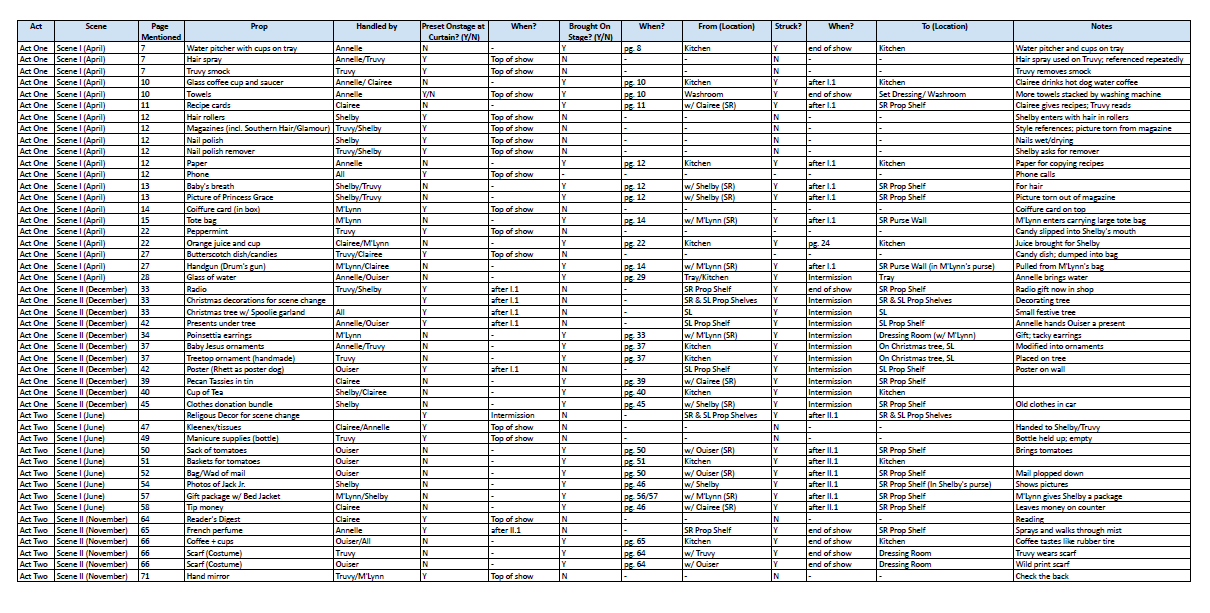
PROPS TRACKING
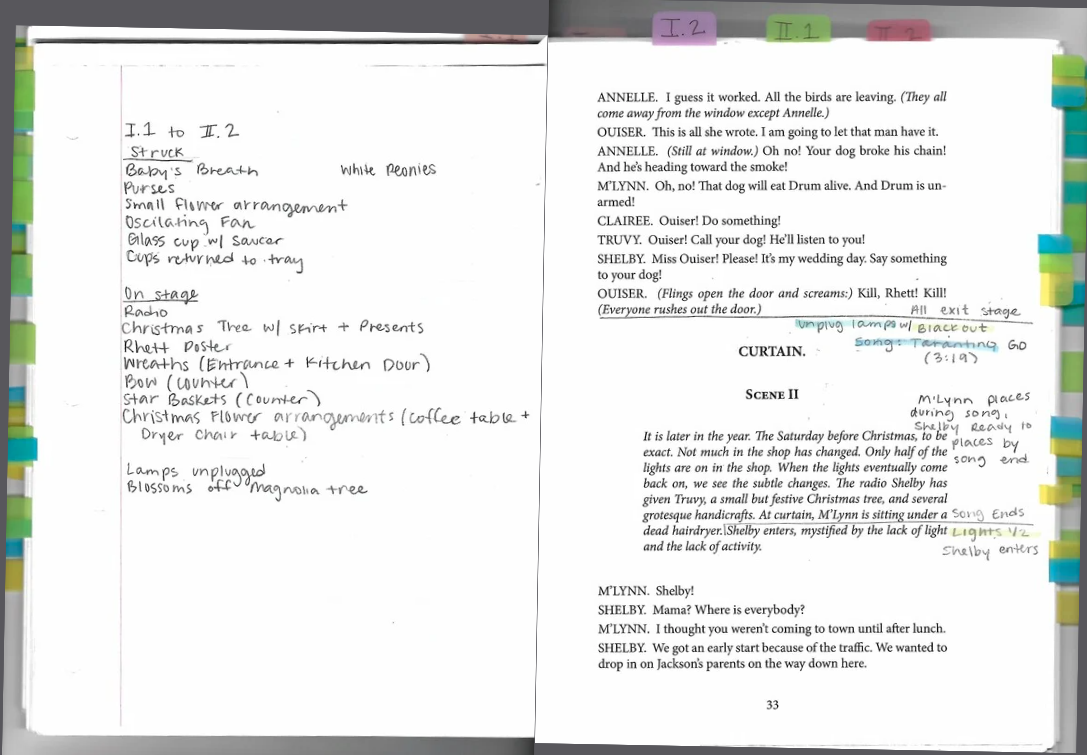
CUE CALLING SCRIPT
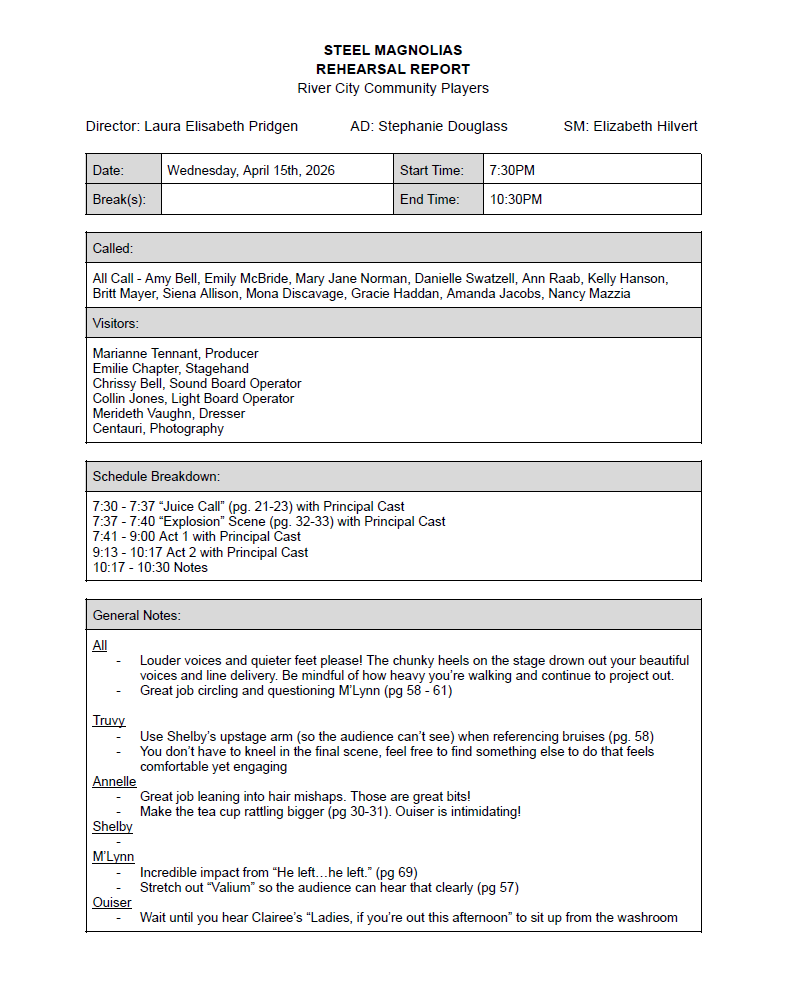
DIGITAL REHEARSAL REPORT
PRE-SHOW CHECK LIST
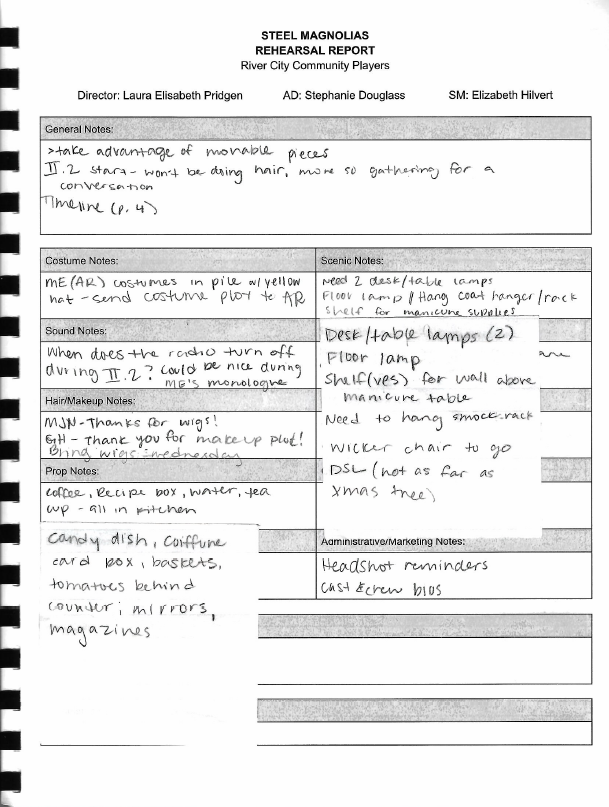
REHEARSAL REPORT NOTEBOOK
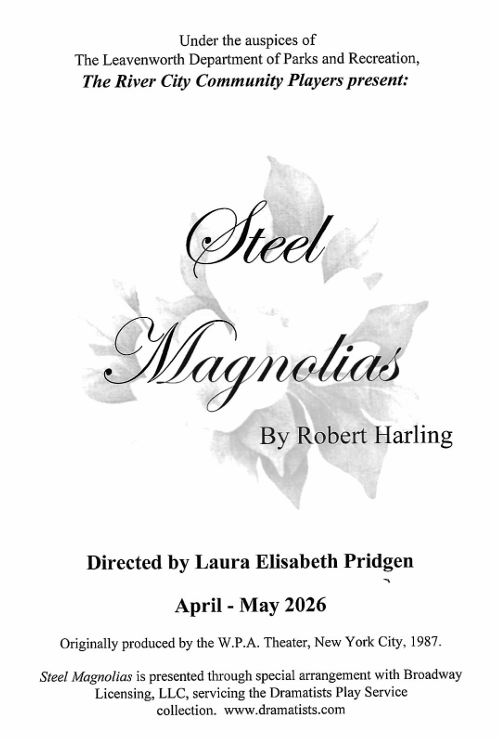
PROGRAM
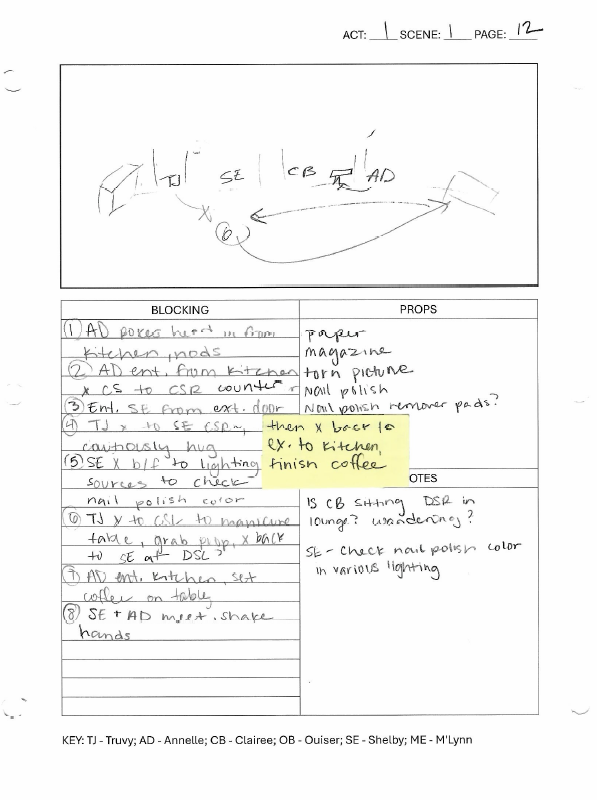
BLOCKING
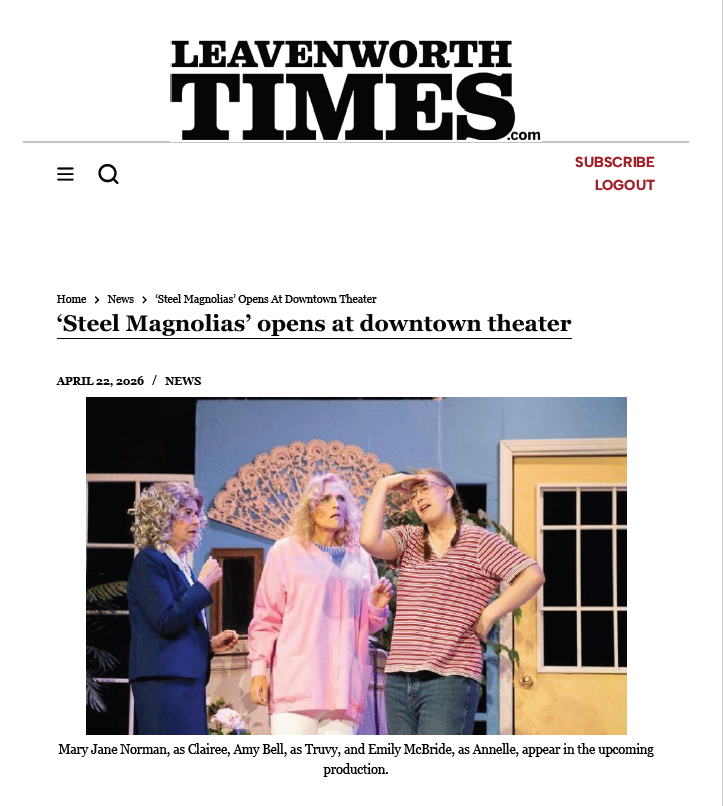
LOCAL NEWS ARTICLE